SB 18 Tribal Consultation Guidelines & Toolkit
Overview
The Governor’s Office of Land Use and Climate Innovation (LCI) is moving into the next phase of updating California’s SB 18 Tribal Consultation Guidelines and developing an accompanying Tribal Consultation Toolkit. This update builds on Tribal consultations and outreach that began in September 2025.
LCI’s updated Tribal Consultation Guidelines and Toolkit will aid jurisdictions in understanding and complying with legislative requirements around planning and Tribal consultation. The updated guidelines are designed to provide more comprehensive tools to help jurisdictions facilitate meaningful consultations with Tribal governments, build lasting relationships rooted in trust and respect, and foster a more inclusive planning process.
The Tribal Consultation Guidelines and Toolkit will be developed in collaboration with our Planning Tribal Advisory Group (PTAG). Nominations for the PTAG are now open. For more information about the nomination process, visit our engagement page or send an email to tribal.affairs@lci.ca.gov.
Updates
Tribal Roundtable Series
LCI is hosting a series of Tribal Roundtables to gather feedback and direction from Tribes and delegated representatives throughout the update process.
The Tribal Roundtables will focus on how Tribal priorities and perspectives shape land use planning and strengthen Tribal representation throughout the General Plan Guidelines. Additional details on upcoming sessions will be shared as dates are finalized.
Tribes and delegated representatives are invited to join any of the upcoming virtual roundtables:
UPDATE 09/14/26: The Tribal Roundtable #3 has been postponed until further notice to allow more time for tribal participants to review and respond to material, including a possible draft of tribal priorities and feedback being integrated into the General Plan Guidelines. Additional information about the next Tribal Roundtable will be shared in the coming weeks.
Tribal Roundtable 3: Implementation Strategies
Postponed until further notice
Register | Slides | Summary
These roundtables do not replace opportunities for direct Tribal Consultation. To initiate government to government consultation or schedule an individual meeting, contact tribal.affairs@lci.ca.gov.
Planning Tribal Advisory Group
The California Governor’s Office of Land Use and Climate Innovation (LCI) is honored to announce the inaugural members of the Planning Tribal Advisory Group (PTAG), which will play a key advisory role in the update of California’s General Plan Guidelines, Specific Plan Guidelines, and SB 18 Tribal Consultation Guidelines & Toolkit.
In March 2026, LCI opened a 60‑day nomination window and hosted virtual information sessions to support Tribal leaders, practitioners, and representatives interested in shaping statewide planning guidance. Click here for more details on the March announcement.
PTAG members serve as advisors at large – each bringing distinct lived experience, cultural knowledge, and professional expertise. The PTAG does not replace or substitute government‑to‑government consultation, which continues throughout the planning guidance update.
LCI is pleased to welcome the following members to the inaugural Planning Tribal Advisory Group
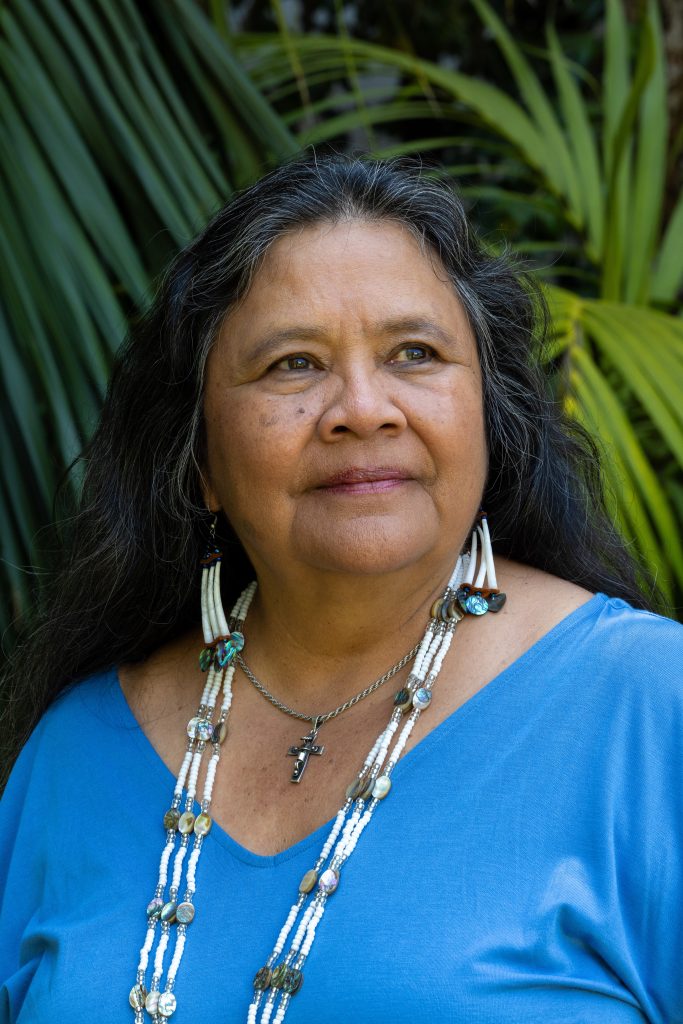
Antonette Cordero
Environmental Law
Coastal Band of the Chumash Nation
Read Bio
A native of Santa Barbara, California, Antonette Cordero descends from the local village of Syuxtun and is enrolled in the Coastal Band of the Chumash Nation. A long-time advocate on indigenous, environmental, and social justice issues, she served almost 25 years with the California Attorney General’s Office, in the Environment and Civil Rights Enforcement sections, and later as Chief of Legal Affairs, directing the work of the office’s 1,200 attorneys.
Most recently, Ms. Cordero taught part-time at the U.C. Berkeley Law School Environmental Law Clinic. Now retired, Ms. Cordero is spending more time with her large extended family and Santa Barbara and Chumash communities but still finds time to serve on the boards of the Sacred Places Institute for Indigenous Peoples, the Environmental Defense Center in Santa Barbara, California, and the Surfrider Foundation. She was a reporter with the Long Beach Press-Telegram before attending Stanford Law School.
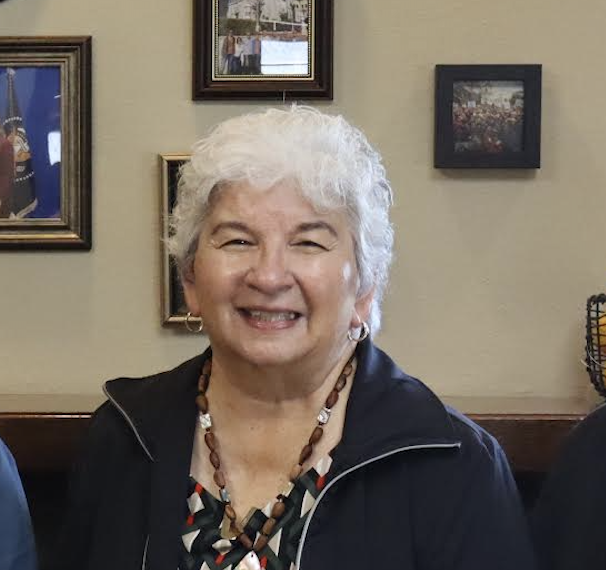
Mona Olivas Tucker
Tribal Chair
yak titʸu titʸu yak tiłhini Northern Chumash Tribe
Read Bio
Mona Olivas Tucker has served as elected Tribal Chair of yak titʸu titʸu yak tiłhini Northern Chumash Tribe of San Luis Obispo County (ytt Tribe) since 2011, and has spent fifteen years leading government-to-government consultation with city, county, state, and federal agencies. She chairs the ytt Constitution Committee, co-chairs its NAGPRA and CalNAGPRA Committee, is a member of the LandBack Committee, and serves as ytt’s lead for repatriation and Most Likely Descendant responsibilities.
She helped establish the Tribe’s 501(c)(3), ytt Northern Chumash Nonprofit, and secured SB 18 Acknowledgement from the California Native American Heritage Commission. Her work has been recognized with the 2023 Bill Deneen Environmental Trust Award, the 2026 California Indian Preservation Award from the Society for California Archaeology, and a 2026 California Legislature Certificate of Recognition from Assemblymember Dawn Addis.
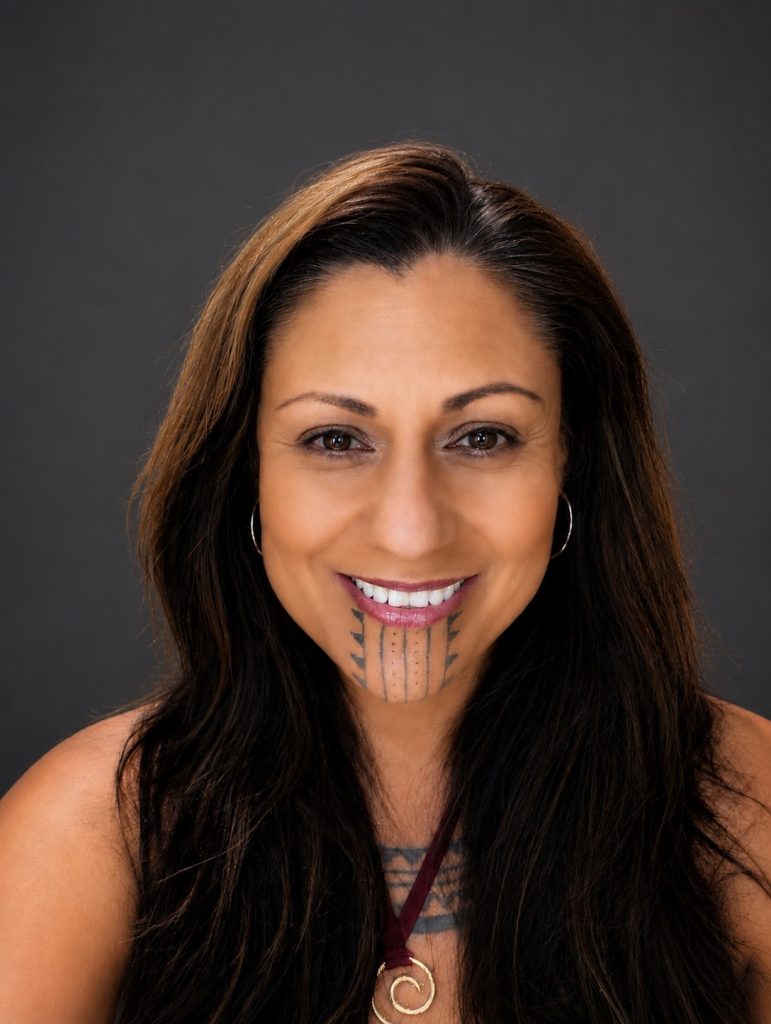
Quirina Luna Geary
Chairwoman
Tamien Nation
Read Bio
Quirina Luna Geary is Chairwoman of the Tamien Nation, the Indigenous people of the Silicon Valley, with extensive experience in Tribal consultation under CEQA. She regularly works with local, state, and federal agencies to improve consultation practices, advance meaningful government-to-government relationships, and protect Indigenous cultural landscapes and ancestors.
Over more than three decades, she has dedicated herself to cultural preservation, language reclamation, environmental stewardship, and the protection of Tribal Cultural Resources. She remains committed to honoring Tribal sovereignty while strengthening planning and stewardship across California.
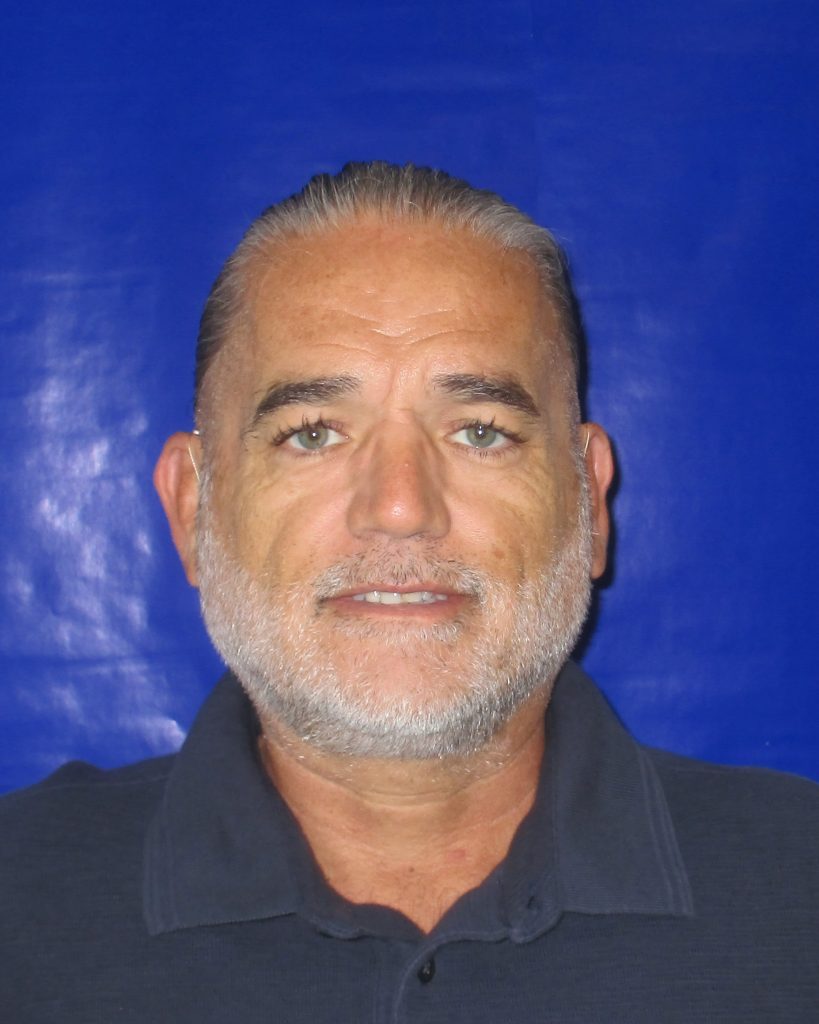
Bruce Durbin
County Planner and Tribal Councilmember
Iipay Nation of Santa Ysabel
Read Bio
Bruce Durbin has 25+ years of professional experience in Land Use Planning and Economic Development. Mr. Durbin’s experience ranges from community planning and historic preservation to rural policy, creative placemaking, conservation, and county and tribal codes.
Bruce is a member of the Iipay Nation of Santa Ysabel; a federally recognized sovereign tribe in San Diego County and is an honorable member of the Iipay Nation’s Tribal Council.
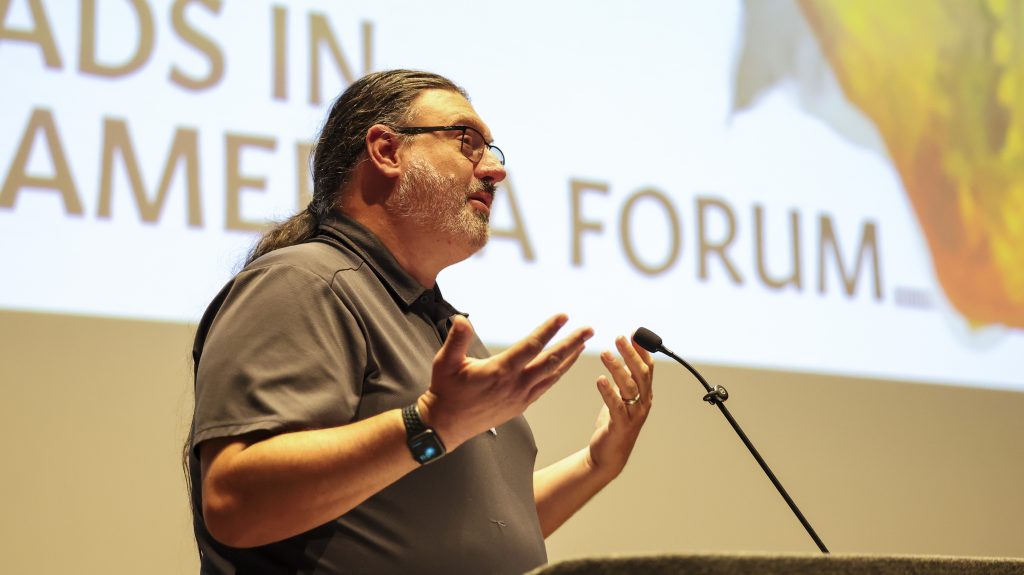
James Sarmento
Executive Director of Cultural Resources
Shingle Springs Rancheria
Read Bio
James Sarmento (Shasta) received his doctorate in Native American Studies from the University of California, Davis. His research focuses on California Indian Language Reclamation and the digital archiving of linguistic and cultural data.
Dr. Sarmento currently works as the Executive Director of Cultural Resources for the Shingle Springs Band of Miwok Indians. James has over 15 years of experience working in Cultural Resources Management and has worked for both CRM firms and Tribal Governments.
These six members collectively bring experience across consultation, cultural resource protection, land use planning, law, environmental leadership, historic preservation, and Indigenous Knowledge systems.
LCI recognizes that California Native American Tribes are not monolithic – each tribe carries its own governance structures, histories, and cultural and political traditions. LCI aims for the PTAG to reflect the diversity of California’s Tribal communities, including Tribes across regions and from both federally and non-federally recognized Tribes, to the extent feasible.
Continued PTAG Recruitment - Regional Representation Gaps
LCI continues to accept nominations to fill remaining regional representation gaps. We especially welcome nominees from:
- Sierra Nevada Region
- Central Valley Region
- Inland Desert Region
- North State / Modoc Plateau Region
Nominees may come from federally and non‑federally recognized Tribes and should have experience in:
- Tribal consultation
- Cultural resource protection
- Land use or environmental planning
- Traditional Ecological Knowledge/Indigenous Knowledge
- Tribal governance or administration
- Environmental and stewardship programs
Resources
- Web Announcement
- Planning Tribal Advisory Group Request for Nominations Flyer
- Information Session Materials:
- Presentation_April 8 Information Session SB 18 Tribal Consultation Guidelines & Toolkit Update
- Links_April 8 Information Session on SB 18 Tribal Consultation Guidelines & Toolkit Update
- Video_April 8 Information Session on SB 18 Tribal Consultation Guidelines & Toolkit Update
- Flyer_April 8 Information Session on SB 18 Tribal Consultation Guidelines & Toolkit Update
- Announcement: Tribal Roundtable Series on Updating General Plan Guidance
Receive Updates
Sign up to stay up to date on the SB 18 Tribal Consultation Guidelines & Toolkit
You can also contact us via email: tribal.affairs@lci.ca.gov